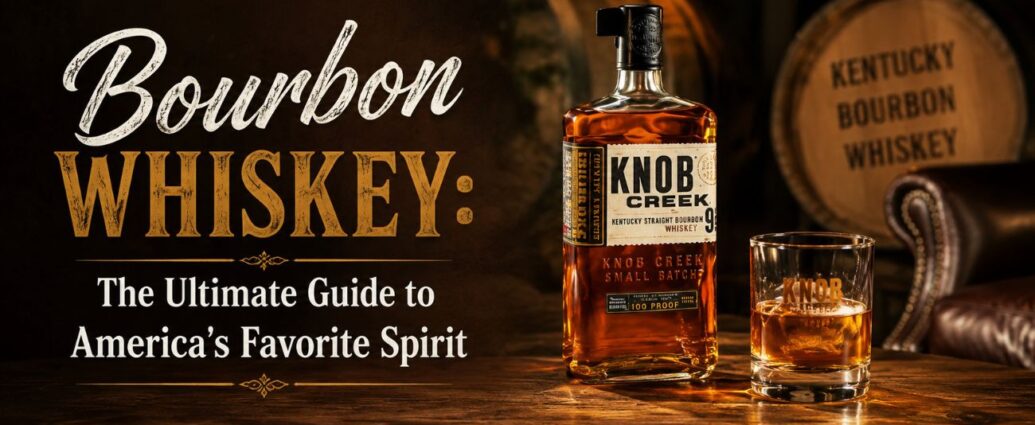
Not much in the world of spirits conveys historical prestige, craftsmanship and cultural boast more than bourbon whiskey. From its humble yet majestic base and birthplace in the gentle hills of Kentucky to being celebrated on every continent, Bourbon Whiskey has matured into one of the worlds most recognisable, revered and most consumed distilled spirits. The industry is soaring into 2026, what could be a peak era even beyond premium trends, global exports, craft distillery expansion and a massive wave of enthusiastic drinkers.
This ultimate guide has got you covered, whether you’re just a first-time sipper wondering what makes bourbon whiskey different from other American spirits, an expert collector searching for the next rare find, or a bartender making the best Old Fashioned ever. This is your complete guide if you ever wondered about the legal definition and production process, tasting notes, food pairings, investment potential and market forecast for 2026 of bourbon whiskey.
What Is Bourbon Whiskey? The Legal Definition
Bourbon whiskey not just any old whiskey can use the term legally. At the federal level, bourbon whiskey production in the United States is highly regulated. To receive the designation, a spirit must adhere to a short list of requirements.
- It has to be made in the US
- The mash bill needs to have a minimum 51% corn
- It can be no higher than 160 proof (80%ABV) when distilled
- You can’t put it into the barrel above 125 proof (62.5% ABV)
- It also needs to be aged in new, charred oak vessels
- It has to be bottled at 80 proof (40% ABV) or above
- Additives, such as color, flavouring or other spirits, must not be added
Bourbon whiskey has one distinct advantage over Scotch whisky or Irish whiskey there is no minimum aging requirement unless the label states “Straight,” which mandates at least two years of aging. The age statement shall be displayed on the label where aged less than four years.
Read Also:- Boho Whisky Price in India
The History of Bourbon Whiskey: From Frontier Spirit to Global Icon
You can never see a whole American history without the story of bourbon whiskey woven into it. Distilling surplus corn into whiskey as a practical application of their grain harvest was one of the earliest experiences for settlers in Kentucky (late 1700). The limestone-filtered water of Kentucky made for a distinctly smooth, high-quality spirit.
The origin of the name “bourbon,” in fact, is widely thought to originate with Bourbon County, Kentucky — an important porter of whiskey headed down the Ohio and Mississippi Rivers for shipping to New Orleans. Bourbon County stamped barrels became a mark of the highest quality aged corn whiskey.
By the mid-1800s, bourbon whiskey was firmly American. After the Prohibition era in the 1930s, there was an upturn and, as stated by Evan in his article: “by late-20th century a ‘bourbon boom began.'” As of today, back in 2026, that boom is showing absolutely no signs of slowing down.
How Bourbon Whiskey Is Made: The Production Process
Knowing how bourbon whiskey works makes you appreciate more what finds its way in your glass. We follow a multi-step critical path through some golden moments in the production process.
1. The Mash Bill
This mash bill is the recipe of grain. Bourbon whiskey must be at least 51% corn, meaning you can’t add in more than the remaining grain. The other grains usually a blend of rye, wheat or malted barley provide individual distilleries with their signature flavor. High-rye mash bills create spicier bourbons; wheated bourbons (think Maker’s Mark and Pappy Van Winkle) are generally softer, sweeter
2. Fermentation
The grain mixture is roasted and mixed with water and yeast. The impact of the yeast strain on flavor can be so great that many distilleries use their own proprietary strains some of which date back over a century. The fermentation period usually is of 3 to 5 days.
3. Distillation
Bourbon whiskey is most commonly distilled using a column still with a pot still (known as a doubler or thumper). You may not go higher than 160 proof for the spirit.
4. Barrel Entry and Maturation
This is where the magic occurs. The new, charred American white oak barrels will hold the unaged spirit (white dog) and not more than 125 proof. Charring level (#1 char to #4 char) creates a carbon layer that acts as an impurity filter and caramelizes the wood sugars, resulting in vanilla, caramel & oak flavors. The significant seasonal temperature swings in Kentucky cause the spirit and wood to interact more quickly.
5. Bottling
Once a bourbon whiskey has aged, it is usually filtered (in some cases chill-filtered, but not always), and diluted down to the desired proof before being bottled. Cask strength or barrel proof expressions are ones that skip the dilution.
Read Also:- 100 Pipers Price in India 2026
Bourbon Whiskey Flavor Profiles: What to Expect
The diversity of flavors available in bourbon whiskey surely is one of the most interesting parts about it. Of course, every expression is different, but there are tasting notes aficionados search for that are often consistent:
| Flavor Category | Common Notes |
| Sweetness | Caramel, vanilla, honey, brown sugar |
| Fruit | Cherry, apple, dried fruit, citrus peel |
| Spice | Rye bread, cinnamon, black pepper, cloves |
| Oak | Cedar, charred wood, toasted oak |
| Grain | Cornbread, biscuit, malt |
| Finish | Long and warming, short and clean, or nutty |
The final flavor of a bourbon whiskey is dictated by the mash bill, the location of the distillery, their warehouse positioning, aging duration and barrel char level.
Types of Bourbon Whiskey: A Complete Breakdown
The bourbon whiskey is a large category. Here is the summary of all the utmost subtypes:
| Type | Key Characteristics |
| Straight Bourbon | Aged at least 2 years, no additives allowed |
| Bottled-in-Bond | At least 4 years old, 100 proof, single distillery, single season |
| Small Batch Bourbon | Made from a limited number of barrels, no legal definition |
| Single Barrel Bourbon | Bottled from one individual barrel |
| Cask Strength / Barrel Proof | Bottled at natural barrel proof, undiluted |
| Wheated Bourbon | Uses wheat instead of rye in the mash bill |
| High-Rye Bourbon | High percentage of rye grain, spicier profile |
| Tennessee Whiskey | Similar process but filtered through charcoal (Lincoln County Process) |
The various types all provide unique experiences, making whiskey a never-ending subject to dive into.
Read Also:- Black Dog 750ml Price in Kolkata
Top Bourbon Whiskey Brands and Bottles to Know in 2026
The bourbon whiskey market today in 2002 is dizzying from heritage distilleries of gigantic size, to the newly opened doors of craft operations. Below are some of the most respected names:
Legacy Distilleries
- Buffalo Trace Distillery – Buffalo Trace, Eagle Rare, Blanton’s and of course the legendary Pappy Van Winkle
- Heaven Hill The Distillery Behind Elijah Craig, Evan Williams, Henry McKenna
- Beam Suntory- Jim Beam/ Knob Creek / Basil Hayden / Booker’s
- Showcasing big, high-proof expressions like that one, Wild Turkey
- Four Roses – Known for its two different mash bill and five yeast strains producing ten unique recipes.
Rising Stars in 2026
- Wilderness Trail – Known for its sweet mash process
- Bardstown Bourbon Company – Collaborative and Experimental
- Castle & Key: Rebirth of the Old Taylor Distillery
Bourbon Whiskey by the Numbers: The 2026 Market
The world could not be more hungry for bourbon whiskey. A few industry statistics are below for 2026:
| Metric | 2026 Data |
| U.S. Bourbon Exports | $1.5+ billion annually |
| Kentucky Distilleries | Over 120 operating distilleries |
| Barrels Aging in Kentucky | Over 12 million barrels |
| Bourbon’s Share of U.S. Spirits Revenue | ~35% |
| Average Age of Premium Expressions | 8–15 years |
| Global Markets | Exported to 100+ countries |
| Fastest Growing Export Markets | Japan, India, UK, Australia |
| U.S. Craft Distilleries (Bourbon-Producing) | 2,000+ |
There is no ambiguity in the numbers: bourbon whiskey is not a small niche category It is also the biggest engine of the global spirits economy.
Read Also:- 750 ml Whisky Under 1000
Bourbon Whiskey Collecting and Investment in 2026
Bourbon whiskey is now a bona fide investment class, having grown from where the secondary market was. Bottles that are less commonly available, like allocated expressions (e.g., Pappy Van Winkle, Buffalo Trace Antique Collection (BTAC), William Larue Weller) can occasionally go for several times their retail price at auction.
Key Investment Tips for 2026:
- Only buy full cases when possible unopened, original cases are priceless
- Provenance is key: preserve receipts and condition records
- Some vintages perform better than others Track the years when wines came out
- Keep a close eye on auction sites such as Whisky Auctioneer, Skinner and Hart Davis Hart
- Keep an eye out for distillery exclusives single barrel picks published by reputable retailers tend to grow.
Coming in as the most hyped of 2026 there are also single barrel expressions from boutique distilleries with an age statement, limited Bottled-in-Bond releases and literally anything that comes out of the Buffalo Trace Antique Collection.
Bourbon Auction Price Reference (2026)
| Bottle | Retail Price | Typical Auction Range |
| Pappy Van Winkle 23yr | ~$300 | $3,000 – $7,000+ |
| William Larue Weller | ~$90 | $800 – $2,000 |
| George T. Stagg | ~$90 | $700 – $1,800 |
| Eagle Rare 17yr (BTAC) | ~$90 | $600 – $1,500 |
| Elijah Craig 18yr Single Barrel | ~$125 | $250 – $500 |
How to Taste Bourbon Whiskey Like a Professional
Bourbon whiskey tasting is a science and an art. Below is the step-by-step process employed by master distillers and certified whiskey educators:
Step 1: Choose the Right Glass
Opt for a Glencairn glass or use a Copita nosing glass. The tops are narrowing to focus aromas.
Step 2: Observe the Color
Hold the glass against light. Color Variations: Pale gold (younger or lightly aged) to deep amber and mahogany (longer aging or heavily charred barrels).
Step 3: Nose the Whiskey
Bring the glass slowly to your nose. Note the key smells vanilla, caramel, fruit, oak, spice. If the spirit is above 100 proof, add a few drops of room temp water to open it up.
Step 4: Taste
Swallow the liquid and let it grace your mouth. Observe the entry (initial impression), mid-palate (actual flavor development) and finish (aftertaste).
Step 5: Add Water (Optional)
A few drops of water can completely transform a high-proof bourbon whiskey, unearthing previously hidden flavors. Experiment freely.
Read Also:- DSP Black 180 Ml Price
Food Pairing Guide for Bourbon Whiskey
Bourbon whiskey, there are few foods it does not partner well with. A helpful rule of thumb is that it pairs beautifully with a rich spectrum of food: sweet, warm and complex.
| Food Category | Pairing Suggestion | Why It Works |
| BBQ & Smoked Meats | Brisket, ribs, pulled pork | Smoky char echoes barrel notes |
| Cheese | Aged cheddar, blue cheese, gouda | Fat tempers the heat; complements sweetness |
| Chocolate | Dark chocolate, salted caramel truffles | Shared caramel and vanilla tones |
| Nuts | Pecans, walnuts, almonds | Amplifies the nutty finish in many expressions |
| Desserts | Peach cobbler, bread pudding, pecan pie | Classic Southern flavor pairings |
| Seafood | Grilled salmon, smoked oysters | Sweetness balances brininess |
A bourbon whiskey dinner or pairing is an old fashioned approach to how enthusiast hosts are using the flexibility the spirit has.
Bourbon Whiskey Cocktails: Classic and Modern Recipes
When it comes to bourbon whiskey, drinking neat or on the rocks is spectacular, and for many drinkers it shows its true personality in cocktails. The five bourbon cocktails you need to know for 2026:
1. Old Fashioned
The definitive bourbon cocktail. Muddle one sugar cube with Angostura bitters in old fashioned glass, add bourbon whiskey, muddle 1/2 tsp with ice and garnish with an orange twist & cherry on top.
2. Mint Julep
The official beverage of the Kentucky Derby. Chilled brews with fresh mint, simple syrup in silver cups filled with crushed ice and bourbon whiskey classic sophistication.
3. Whiskey Sour
Combine bourbon whiskey, fresh squeezed lemon juice, simple syrup and eggwhite (optional for frothiness) in a shaker. Serve oz over ice, garnish with cherry and orange wedge.
4. Manhattan
Mix up bourbon whiskey (or rye), sweet vermouth, and bitters. Fine strain into a coupe glass and garnish with Luxardo cherry.
5. Brown Derby
Shake and strain equal portions of bourbon, fresh grapefruit juice, honey syrup; serve up. Strange but excellent display of bourbon whisky.
Read Also:- London Pride Whisky Price 2026
Bourbon Whiskey Trends to Watch in 2026
The industry is evolving rapidly. Here are the top trends behind bourbon whiskey in 2026:
1. Non-Chill Filtration Movement
Even more producers of many genres are forgoing chill filtration to allow maximum natural residual oils and esters that can enhance mouthfeel and flavor depth.
2. Transparency in Sourcing
That said, consumers want to know where their bourbon whiskey is truly made and are pushing NDPs to be more forthcoming.
3. Sustainability and Eco-Distilling
Investments strive towards renewable energy, water recycling and transparency in sourcing grains by distilleries.
4. Global Mashup Expressions
We still have distilleries finishing bourbon whiskey in barrels that had previously stored rum, tequila, wine, sake and sherry resulting in provocative hybrid flavors.
5. Female and Diverse Consumers
The class of people who consume bourbon whiskey is changing fast. More women are also doing the buying these days and distilleries have been advertising to wider audiences.
6. Direct-to-Consumer Sales
Multiple states are broadening their laws to enable distilleries to transport bourbon whiskey directly to consumers, undermining conventional three-tier distribution models.
7. Premiumization
Consumers are trading up buying fewer bottles, but spending more per bottle. This segment was the fastest growing ultra-premium and luxury bourbon whiskey expression.
Bourbon Whiskey vs. Other American Whiskeys: Key Differences
| Feature | Bourbon Whiskey | Rye Whiskey | Tennessee Whiskey | Corn Whiskey |
| Primary Grain | Corn (51%+) | Rye (51%+) | Corn (51%+) | Corn (80%+) |
| Barrel Requirement | New charred oak | New charred oak | New charred oak | No requirement |
| Special Process | None required | None required | Lincoln County Process | None |
| Flavor Profile | Sweet, caramel, vanilla | Spicy, dry, peppery | Similar to bourbon, lighter | Sweet, raw, unaged notes |
| Geographic Requirement | U.S. only | U.S. only | Tennessee only | U.S. only |
| Aging Minimum | None (2yr for “Straight”) | None (2yr for “Straight”) | None | None |
How to Build Your Bourbon Whiskey Collection
This bourbon whiskey collection is made on the same basis, and regardless of whether one is for sale in an auction, it can bring a lot of wisdom starting to collect or grow your own exposition. Here are practical steps:
Step 1: Define your focus. Are you collecting to drink, invest or both? This shapes your strategy.
Step 2) Approach Eyes with Friendly Bottles Mine your palate on what is easy to find and available before chasing the highly allocated stuff.
Step 3: Develop retailer relationships. Allocations of premier bourbon whiskey are reserved for valued patrons. Go to your local shop, ask questions and make purchases regularly.
Step 4: Join bourbon communities. As a primer, the Kentucky Distillers Association (KDA), as well as r/bourbon on Reddit, are amazing resources.
Step 5: Store properly. Store bottles standing, out of direct sun light and stable room temperature. Although wine is capable of improving in the bottle after being sealed, this is not the case for bourbon whiskey.
Bourbon Whiskey Tourism: The Kentucky Bourbon Trail
When it comes to enjoying bourbon whiskey, nothing compare to the real thing in Kentucky. Self-guided tour of Kentucky’s most celebrated distilleries, the Kentucky Bourbon Trail® is a world-renowned itineraries.
In 2026, the trail includes over 40 distilleries, offering tours, tastings, and exclusive experiences unavailable anywhere else. Highlights include:
- Mammoth Cave Distillery area
- Whiskey Row at Louisville46629 A welcome return of workers to a downtown district
- Bardstown The Bourbon Capital of the World
- Heritage distilling heartlands: Lawrenceburg, Frankfort and Loretto
Every year, the Bourbon Trail accounts for billions in economic impact to Kentucky and attracts people from around the world.
Frequently Asked Questions (FAQs) About Bourbon Whiskey
Q1: Does bourbon whiskey have to be made in Kentucky?
A: No. Though distilled from a grain mixture of at least 51% corn to be classified as such, bourbon whiskey can technically be made anywhere in the United States (Kentucky produces around 95% of world supply). Heck, there are plenty of successful bourbon producers in Texas, New York, Colorado and Tennessee.
Q2: What is the difference between bourbon whiskey and Scotch whisky?
A: The major differences would come down to grain, geography and aging rules. Bourbon is supposed to be made of at least 51% corn and with new charred oak barrels in the U.S. while scotch has to come from Scotland, consist largely of malted barley, and go into used oak casks for a minimum of three years.
Q3: How should I store an opened bottle of bourbon whiskey?
A: It should be stored upright (not like wine) in a cool, dark place free from temperature fluctuations. Bourbon whiskey is stable once opened but will undergo very slow oxidation over time especially when the bottle is under 50% full. Use within 1–2 years for best flavour.
Q4: What proof is best for bourbon whiskey?
A: Bourbons bottled at a lower proof (80–90 proof) lean more toward the light and accessible side. At higher proof (100–140+), more intense and complex expressions are delivered. Barrel proof is the undiluted expression of bourbon whiskey right from the barrel.
Q5: Can I make bourbon whiskey at home?
A: Not without a federal Distilled Spirits Plant permit, which makes home distillation illegal in the United States. But, you can brew beer at home and make wine for personal use. Instead, support craft distilleries many have one-of-a-kind single barrel programs that deliver the same customization experience.
Q6: What is the “angel’s share” in bourbon whiskey production?
A: Over the years a fraction of that bourbon whiskey will evaporate out through the wood in what we call angel’s share around 3–5% per year suggestively in Kentucky weather. They poetically refer to this as the “angel’s share”. An example would be a 15-year-old bourbon, which could have lost up to half its original volume during the 15 years due to evaporation.
Q7: Why is some bourbon whiskey so expensive?
A: A few bourbon whiskey expressions are made in painfully limited runs, aged for 15–23 years where significant volume has evaporated, and have such esteemed reputations that demand outweighs supply quite cleverly.
Q8: What food goes best with bourbon whiskey?
A: Obviously BBQ and smoked meats, dark chocolate, pecan-based desserts, aged cheeses and Southern comfort food are classic pairings. Bourbon whiskey is one of the most food-friendly spirits in the world by virtue of its sweetness and warmth.
Q9: Is bourbon whiskey gluten-free?
A: Yes, bourbon whiskey is made from grains that all have gluten in them, but the process of distillation removes gluten proteins. Most medical authorities agree that distilled spirits, with the exception of flavored brands but including bourbon whiskey, are safe for people with gluten sensitivity. Those with celiac disease, though, should see a doctor.
Q10: What is the best way to drink bourbon whiskey for the first time?
A: Starting neat (with no ice and no water) to enjoy the complete flavor spectrum. Next, give it a shot with one big ice cube or a dash of room temperature water to see how the flavors change. The first sip of a premium bourbon whiskey so don’t go mixing cocktails, save that for the more everyday expressions.
Conclusion
Bourbon whiskey has worked its way from a humble gut-rot in the cornfields of colonial Kentucky to being called global prestige spirit in 2026, and it’s earned every drop of that esteem. It is a remarkably diverse spirit: approachable or bold, affordable or expensive, every-day drinker or once-in-a-lifetime bottle.
Bourbon whiskey is a constantly evolving story. With new distilleries opening, new flavor profiles pioneered, and entire generations of global enthusiasts experiencing America’s native spirit for the first time. No matter if you’re just starting your journey into the world of bourbon whiskey or you are already far down the path of rare allocations and single barrel picks (get it, like that rabbit hole people talk about), one thing is undeniably true: there has never been a better time to be a fan of bourbon whiskey.
So, crushed it this is the new golden age of American whisky.

Comments are closed, but trackbacks and pingbacks are open.